
Free AI summary of this YouTube video by SumTube
راز پوست جوان و شفاف
TL;DR
This video breaks down key scientific principles from Dr. Andrew Huberman regarding skin health, skin aging, and acne management. It covers foundational lifestyle habits, targeted supplements for skin clarity, the nuances of sun exposure, and effective acne care practices. Viewers will gain a comprehensive understanding of how to achieve healthy, youthful skin through evidence-based methods.

Key takeaways
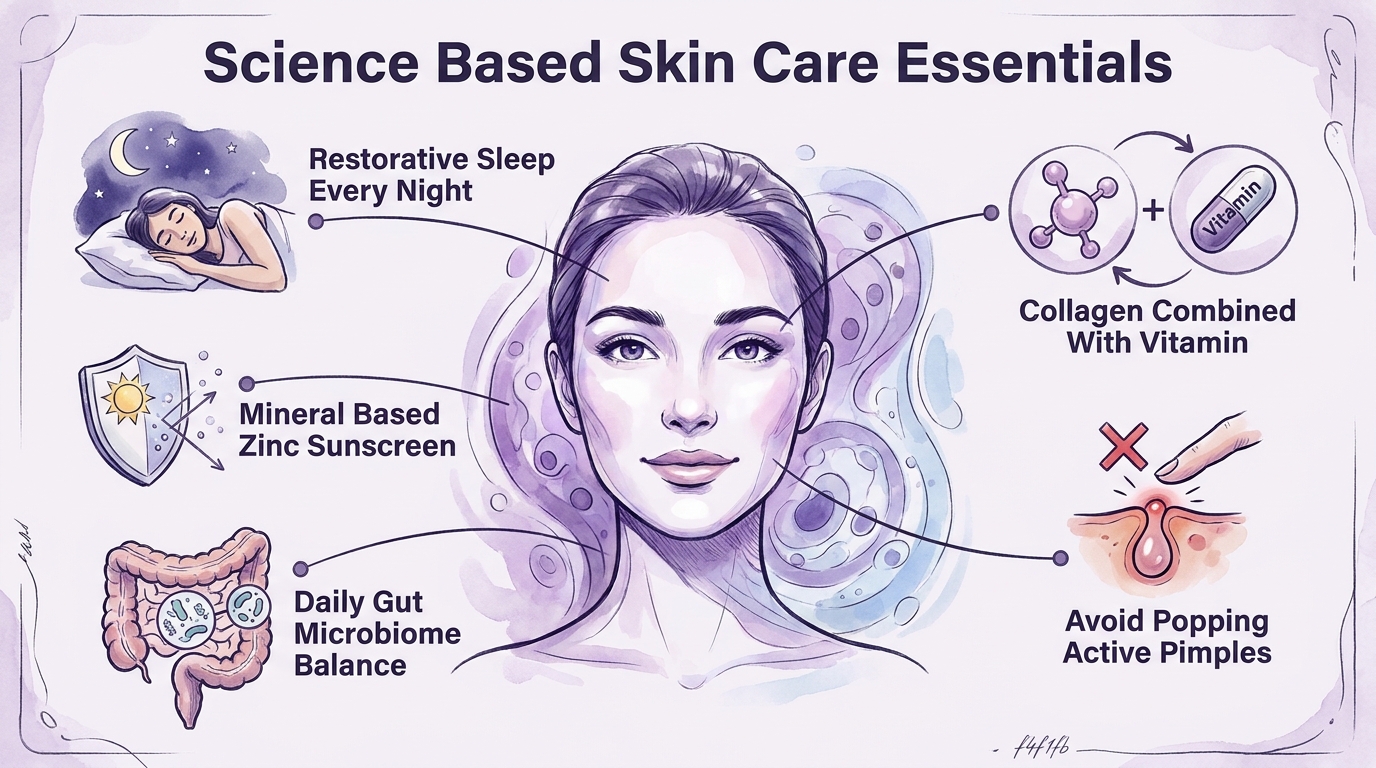
- Foundational lifestyle habits like quality sleep, adequate hydration, stress management, and gut health are essential prerequisites for clear skin
- Mineral-based (inorganic) sunscreens containing zinc oxide or titanium dioxide offer safer, effective protection against UV-induced aging without potential hormonal disruptions
- Popping pimples is one of the most damaging actions for acne, as it worsens inflammation and increases the risk of permanent scarring
- 20:13Combining collagen supplementation with Vitamin C significantly enhances skin elasticity, hydration, and youthful appearance
Tap to enlarge
Most valuable section
For whom
Anyone seeking evidence-based routines to improve skin clarity, slow skin aging, or treat acne effectively.
Supplements and Techniques for Rejuvenated Skin10:45
This section provides practical, actionable insights on collagen, Vitamin C, Niacinamide, retinoids, and red light therapy that directly impact skin elasticity and appearance.
Detailed summary
1. Introduction & Skin Structure
0:00The episode begins with an overview of Dr. Andrew Huberman's scientific approach to health and personal care, setting the framework for applying science-based tools to skin health. The host explains that skin acts as a clear mirror reflecting internal physical health, where sudden changes like spots or discoloration often signal deeper physiological shifts.
A foundational lesson on skin anatomy is presented, outlining its three primary layers: the superficial epidermis, the structural dermis beneath it, and the deeper hypodermis. Understanding these distinct layers provides the necessary context for evaluating how lifestyle factors, topical creams, and light treatments penetrate and influence skin function.
2. Essential Prerequisites for Healthy Skin
5:12Prior to adopting specialized skincare products, basic lifestyle prerequisites must be addressed. Getting 8 hours of restorative sleep, consuming 2 to 3 liters of water daily, and strictly avoiding alcohol and smoking serve as the non-negotiable foundation for skin resilience and elasticity.
Additional factors like stress management and gut microbiome balance significantly impact skin appearance. Chronic stress degrades skin condition, while a healthy gut—nurtured through fermented and unprocessed foods—supports clear skin. Minimizing processed foods in favor of natural, nutrient-dense foods directly enhances skin health from the inside out.
3. Supplements and Techniques for Rejuvenated Skin
10:45This section details specific, research-backed interventions for achieving younger, clearer skin. Key compounds include collagen—which restores elasticity and reduces wrinkles as natural production declines—especially when paired with Vitamin C to maximize synthesis and absorption.
Other proven tools include Niacinamide (Vitamin B3) for maintaining moisture and texture over a 3-to-6-month period, topical retinoids for cellular turnover and elasticity across all age groups, and phototherapy. Red light therapy uses specific wavelengths to penetrate deep skin layers, promoting repair, clear tone, and youthful vitality.
4. Sun Exposure: Benefits vs. Risks
17:05Sunlight presents a dual effect on skin health and overall wellness. While excessive, high-intensity sunlight during mid-day exposure accelerates skin aging and increases the risk of skin cancer via DNA damage from UV radiation, moderate exposure offers crucial health benefits.
Getting natural light during early morning and late afternoon supports essential Vitamin D synthesis and aligns the body's circadian clock, regulating alertness and sleep quality. While some non-melanoma skin cancers linked to sunlight are manageable, individual genetic factors heavily influence sun tolerance and skin resilience.
5. Understanding Sunscreens: Organic vs. Mineral
24:08Sunscreens are broadly divided into two categories: organic (chemical) and inorganic (mineral). Chemical sunscreens contain active ingredients like oxybenzone that absorb UV radiation, but recent concerns highlight potential disruptions to estrogen and testosterone levels, making them unsuitable for infants under six months.
In contrast, mineral sunscreens formulated with zinc oxide or titanium dioxide (up to 25% concentration) physically reflect UV rays away from the skin. These mineral-based options are considered significantly safer and more effective for daily protection without adverse endocrine side effects.
6. Acne Management and Skin Care Mistakes
27:35Acne affects roughly 90% of adolescents and young adults, making proper management essential. Key dietary habits to mitigate breakouts include reducing processed sugars, excessive dairy (particularly low-fat varieties), and high doses of whey protein powder, while intermittent fasting can benefit adults by lowering systemic inflammation.
Two major skincare errors can severely worsen acne: over-cleansing and popping pimples. Washing the face more than two to three times daily destroys the skin's protective microbiome, increasing irritation. Popping pimples is strongly discouraged by dermatologists, as it dramatically escalates localized inflammation and frequently causes permanent scarring.
7. Summary & Key Takeaways
32:58The video concludes with a concise recap of the core principles covered throughout the episode. The host reiterates the hierarchy of skin care: establishing fundamental habits first (sleep, hydration, stress, and diet), followed by targeted supplements (collagen, Vitamin C, retinoids), smart sun exposure using mineral sunscreens, and patient acne management.
Viewers are encouraged to implement these science-backed strategies consistently rather than seeking quick fixes. The host concludes by inviting the audience to engage via social media and Telegram for further comprehensive resources on scientific wellness.
Questions this video answers
What are the most important baseline habits for healthy skin?
Before relying on topical treatments, primary focus should be placed on fundamental health pillars: securing 8 hours of quality sleep, drinking 2-3 liters of water daily, avoiding alcohol and smoking, managing stress, and maintaining a healthy gut microbiome through fermented and unprocessed foods.
Which type of sunscreen is recommended for optimal skin protection?
Inorganic or mineral sunscreens containing zinc oxide or titanium dioxide are generally recommended. Unlike organic/chemical sunscreens that absorb UV light and may carry concerns regarding hormonal disruption, mineral sunscreens physically reflect harmful UV rays away from the skin.
How does diet affect acne and pimples?
Diet plays a significant role in skin health; high sugar intake, heavily processed foods, excess whey protein, and high consumption of dairy—particularly low-fat dairy—can trigger or exacerbate acne flare-ups. Eating whole, unprocessed foods and engaging in intermittent fasting (for adults) can help reduce inflammation and breakouts.
Ask a follow-up Premium
About this summary
SumTube AI wrote this recap from the video's words and chapters. Credit and the original belong to KhashayarTalks.